
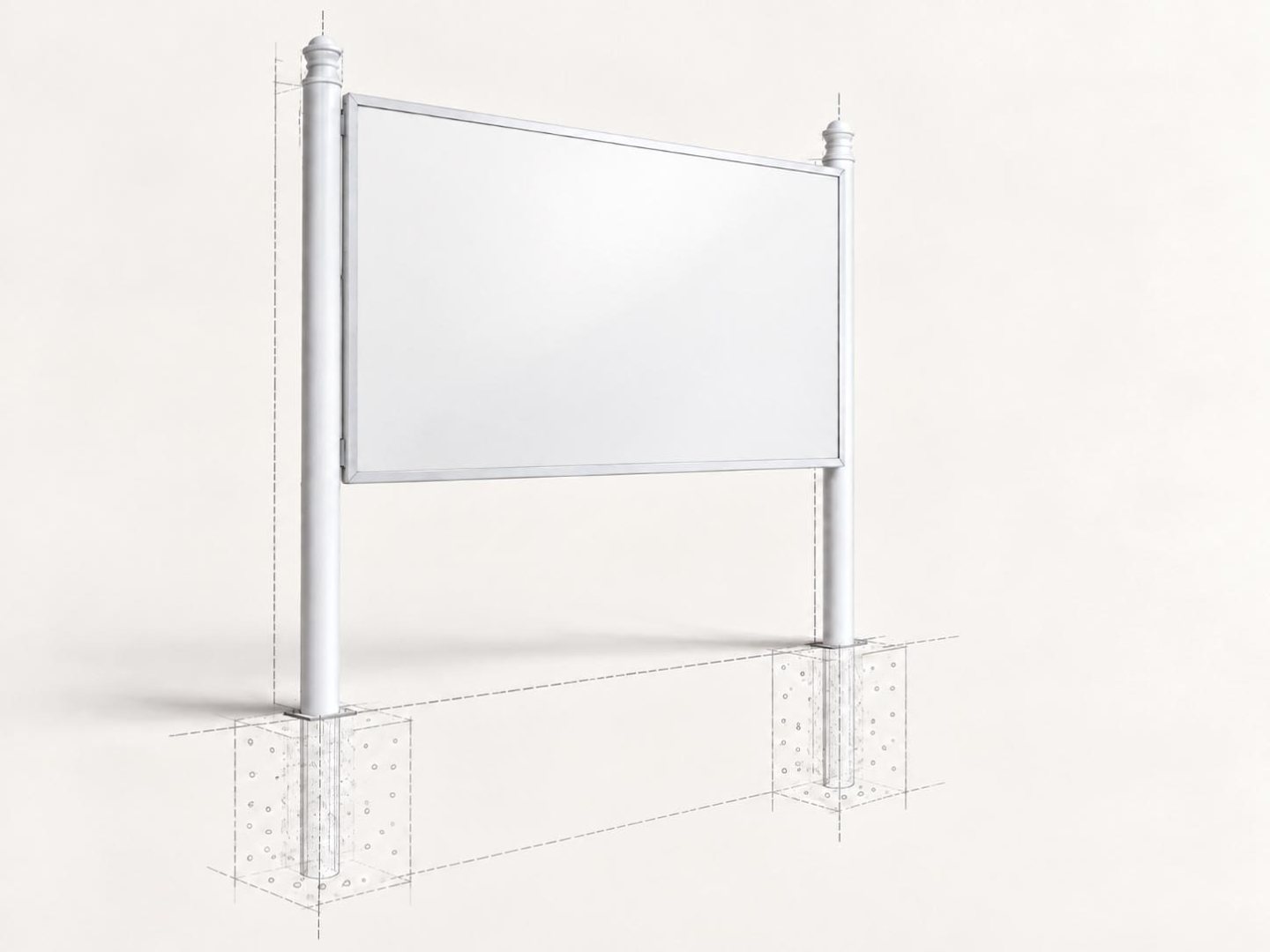
Post-and-panel sign
A flat sign panel supported between or beside ground-fixed posts for identification, directions or changeable information.
Explore this formatCompare common sign types, formats and materials for signage, graphics and display projects. These guides explain typical options; final construction, suitability, dimensions, fixings and finishes are always project-specific.
FORMAT GUIDE
These simplified diagrams compare common physical sign forms. They explain the format only; final construction, dimensions, materials, fixings and suitability are project-specific.
A flat sign panel supported between or beside ground-fixed posts for identification, directions or changeable information.
Explore this format
A substantial freestanding enclosure that can combine identity, directions, tenant information and layered finishes.
Explore this format
A double-sided panel or tray fixed at right angles to a wall so it can be seen along the direction of travel.
Explore this format
A portable printed graphic that retracts into a floor cassette for events, presentations and temporary displays.
Explore this format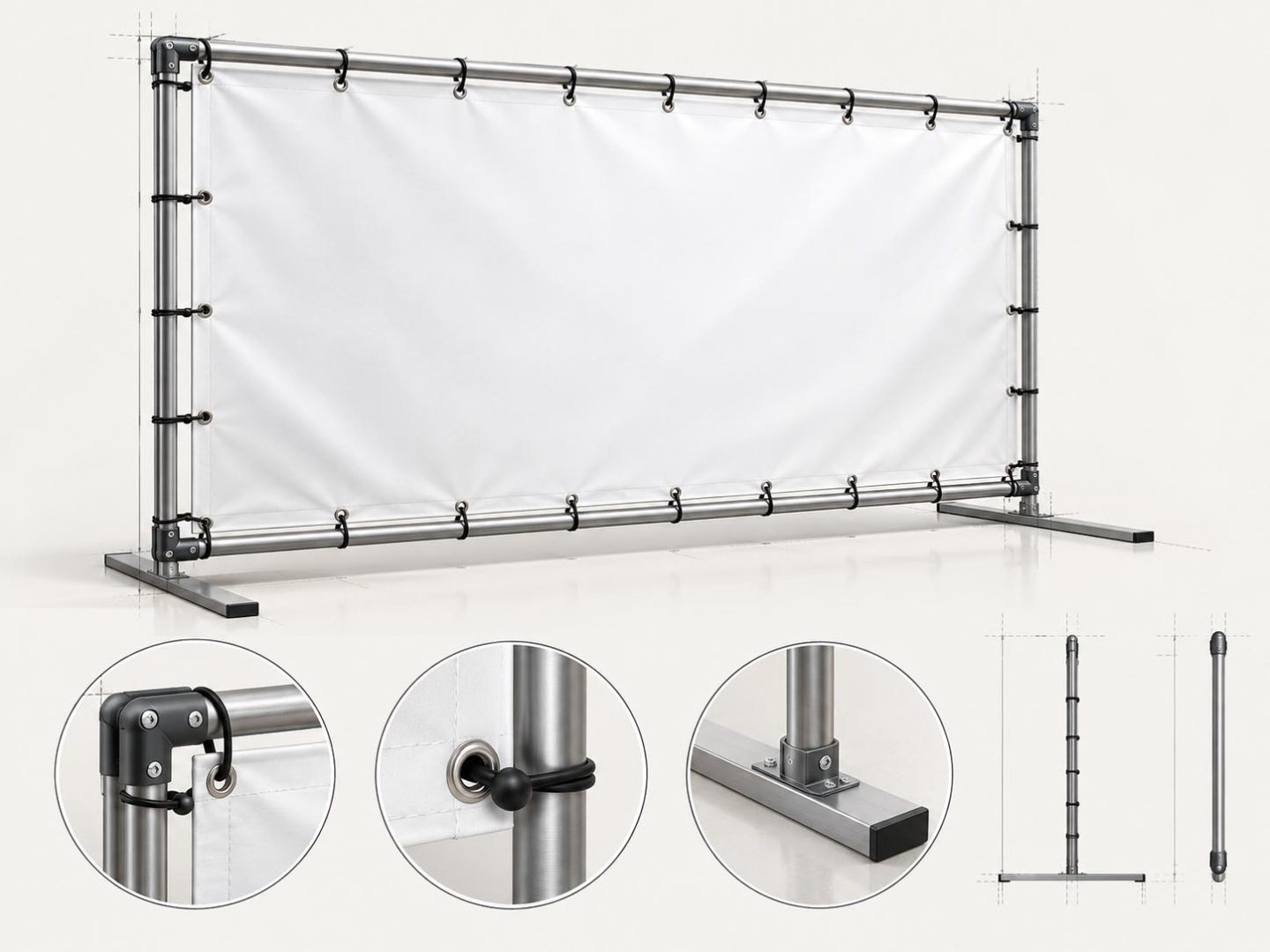
A flexible banner tensioned within a reusable supporting frame, with fixings selected for its location and exposure.
Explore this format
A flat rigid sign panel fixed directly to a wall or other surface, commonly made from ACM, Foamex or Correx for branding, information, directions and safety signage.
Explore this format
A polished rigid plaque or sign panel that can be printed, layered or mounted away from the surface on stand-off fixings.
Explore this format
An enclosed illuminated sign with a translucent face, specified around viewing conditions, access, electrics and maintenance.
Explore this format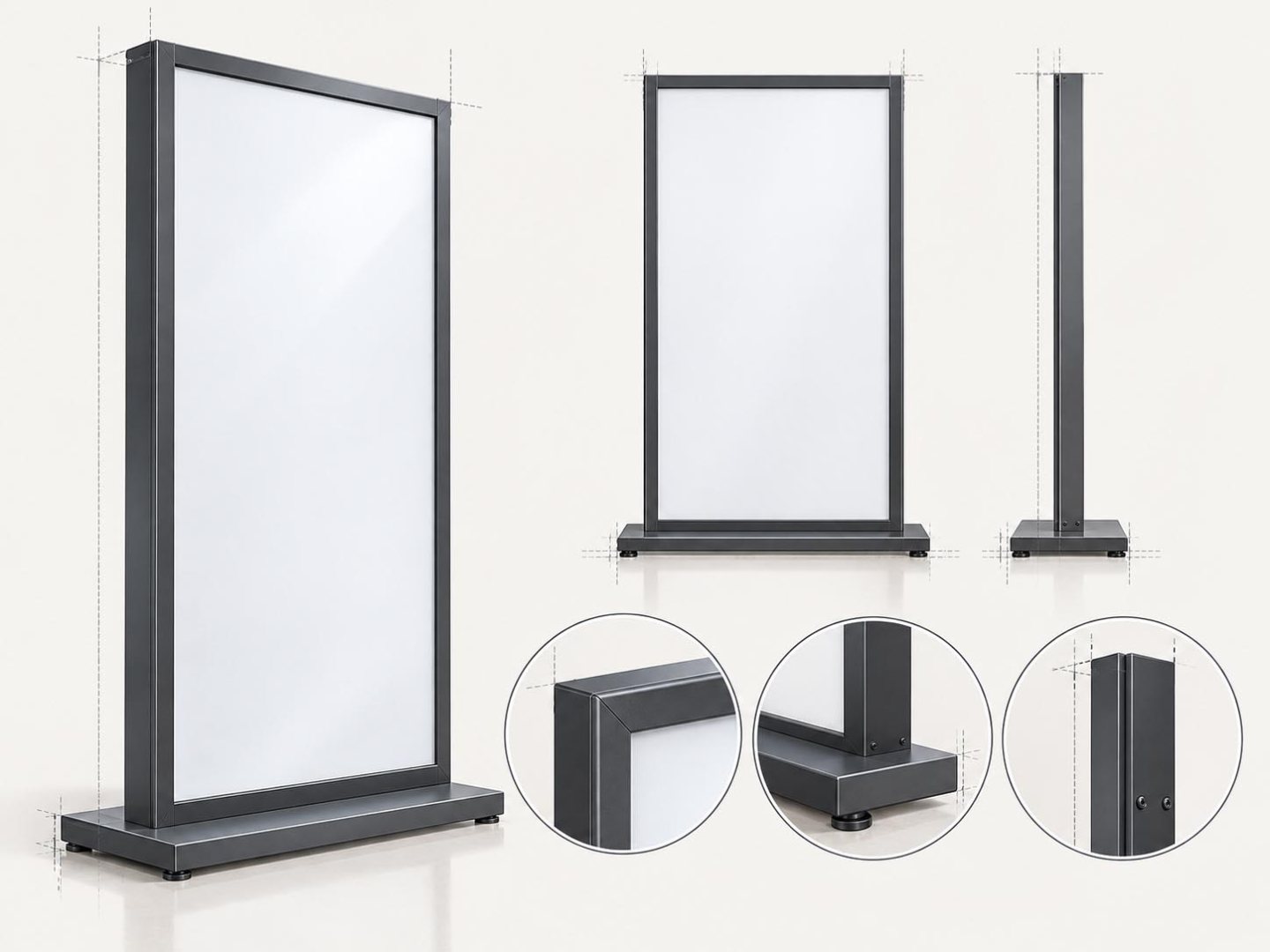
A portable or semi-permanent display that supports printed graphics without relying on an available wall or fixing surface.
Explore this format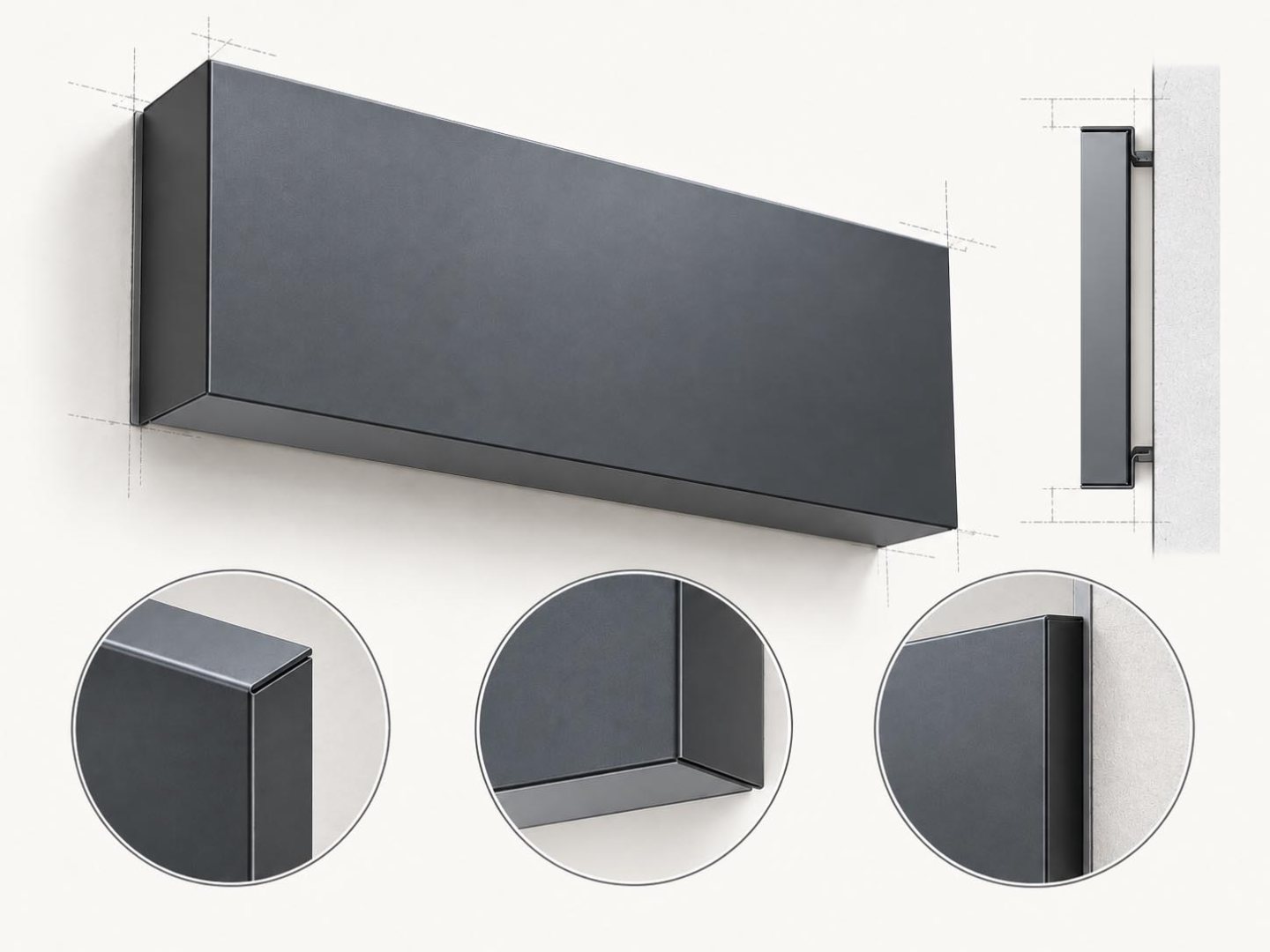
A folded panel with returned edges that adds depth, conceals fixings and creates a clean fascia or wall-mounted format.
Explore this formatGeneric format diagrams — not completed project photography and not production drawings.
MATERIAL GUIDE
These visual guides show common material characteristics rather than completed Purple Frog Signs projects. The final specification still depends on location, construction, lifespan, finish and fixing method.
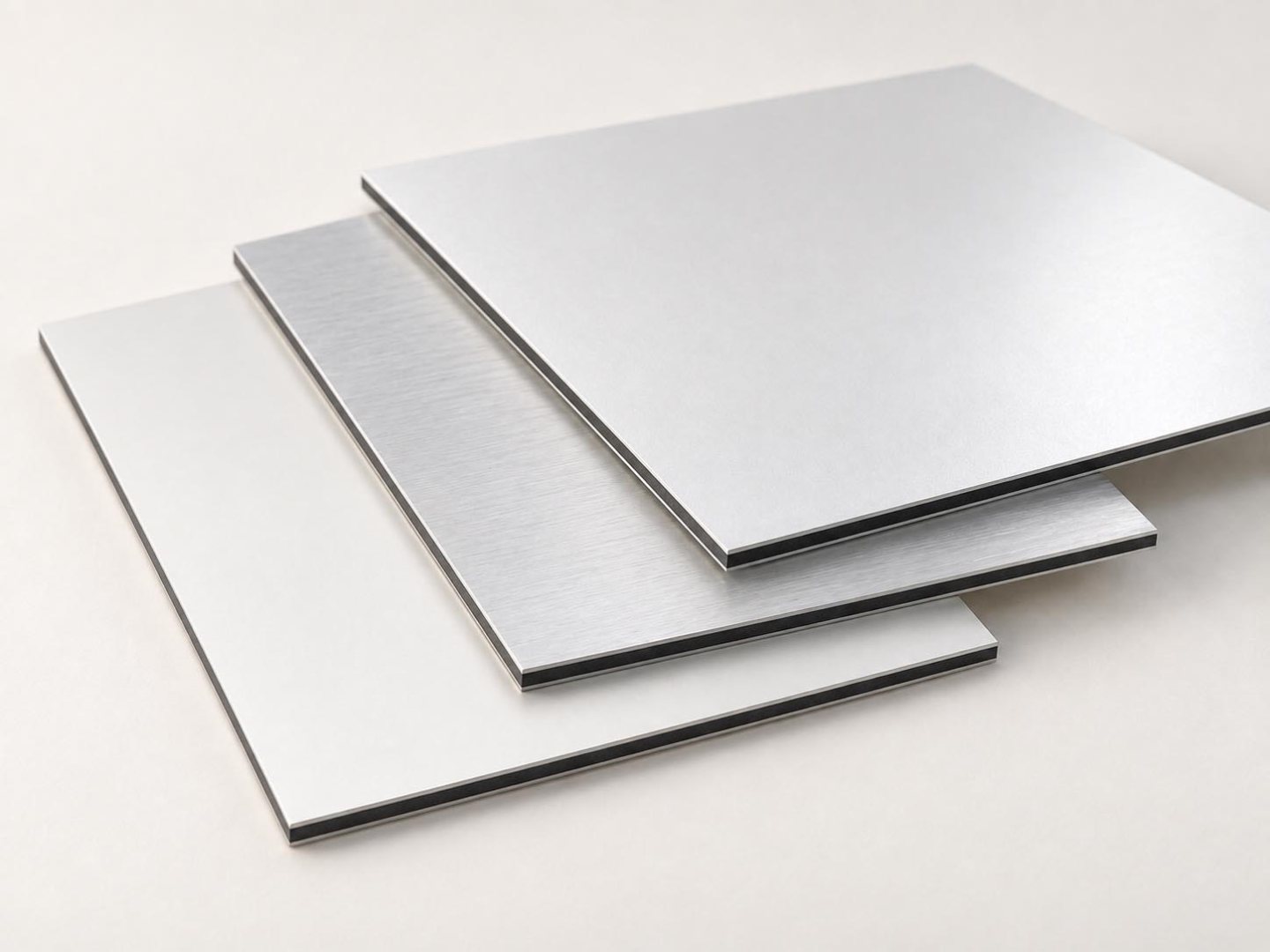
A rigid, stable panel made with aluminium faces and a lightweight core.
Typical applications: Flat signs, folded trays, wall panels and suitable exterior identification.

A lightweight, smooth-faced sheet available in different thicknesses.
Typical applications: Indoor displays, mounted print and suitable shorter-term signs.

A polished plastic sheet that can be printed, cut, backed, layered or mounted on stand-off fixings.
Typical applications: Plaques, reception signs, lettering and layered interior panels.
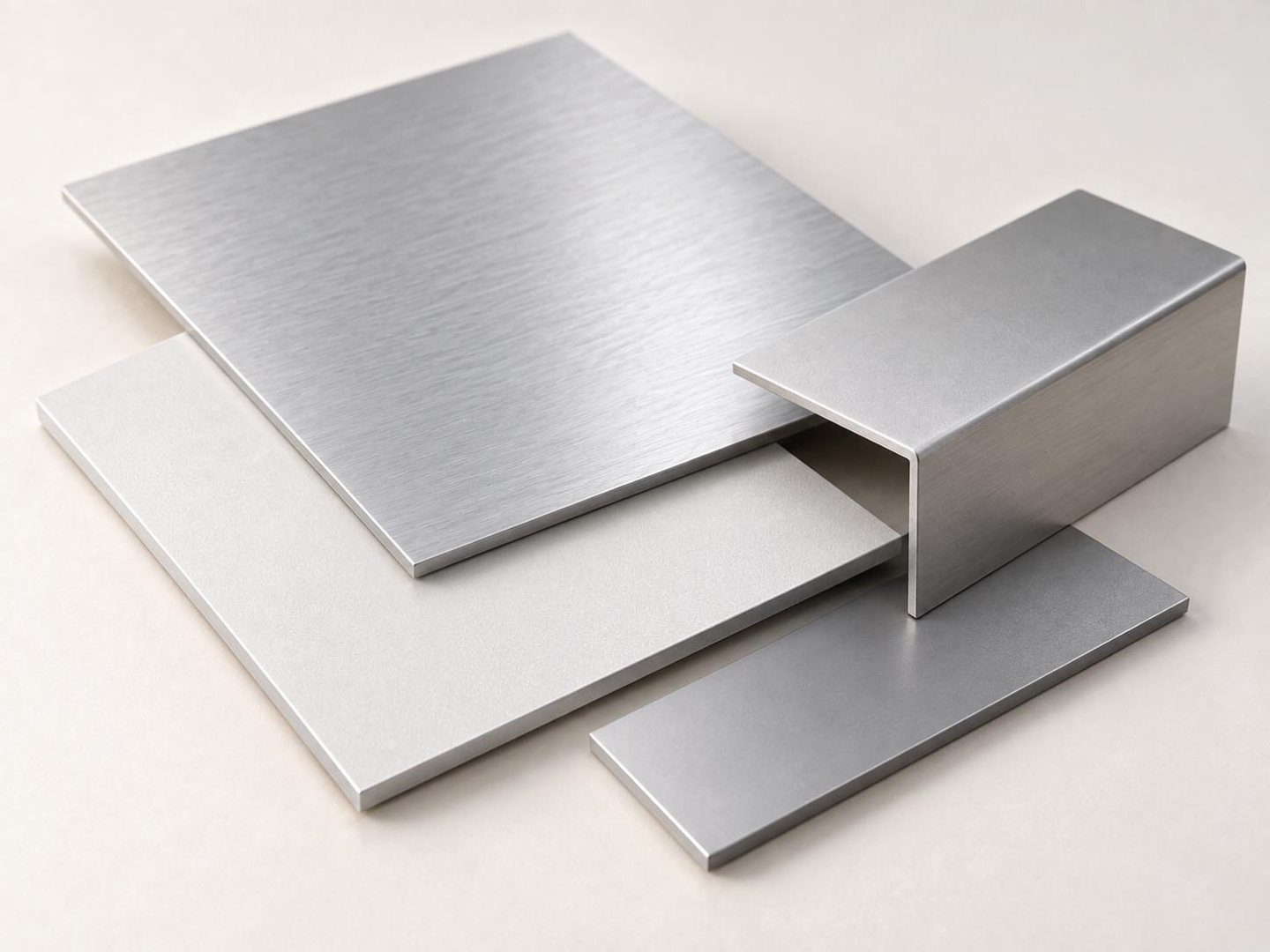
A durable material that can be folded, fabricated, coated and combined with other sign components.
Typical applications: Sign trays, posts, frames, lettering and long-term identification.
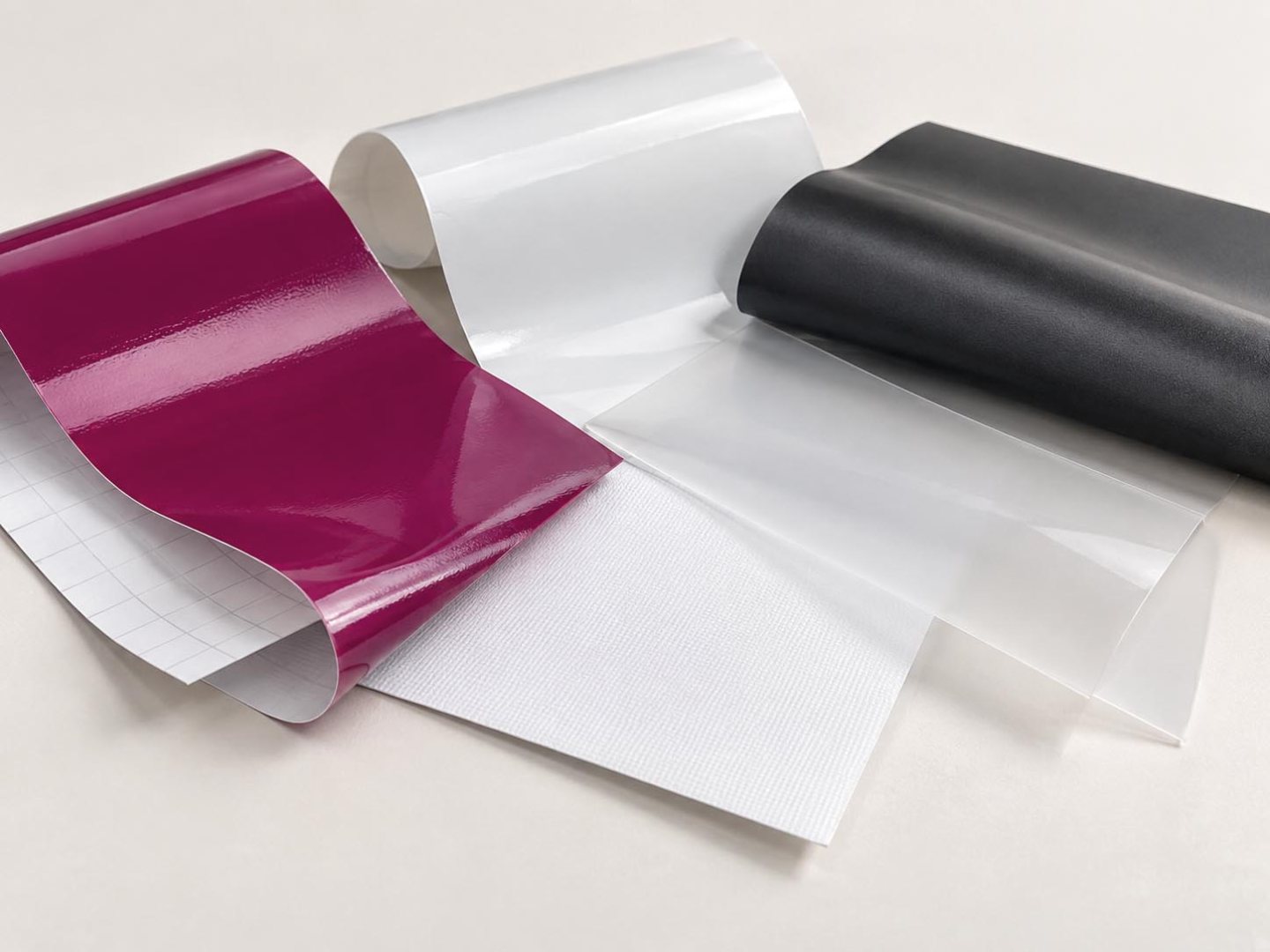
A broad family of adhesive materials with different finishes, opacity, conformability and removability.
Typical applications: Windows, walls, vehicles, panels, cut lettering and printed graphics.

A flexible printed material supplied in grades suited to temporary display and event use.
Typical applications: Indoor and outdoor banners, event graphics and reusable banner systems.
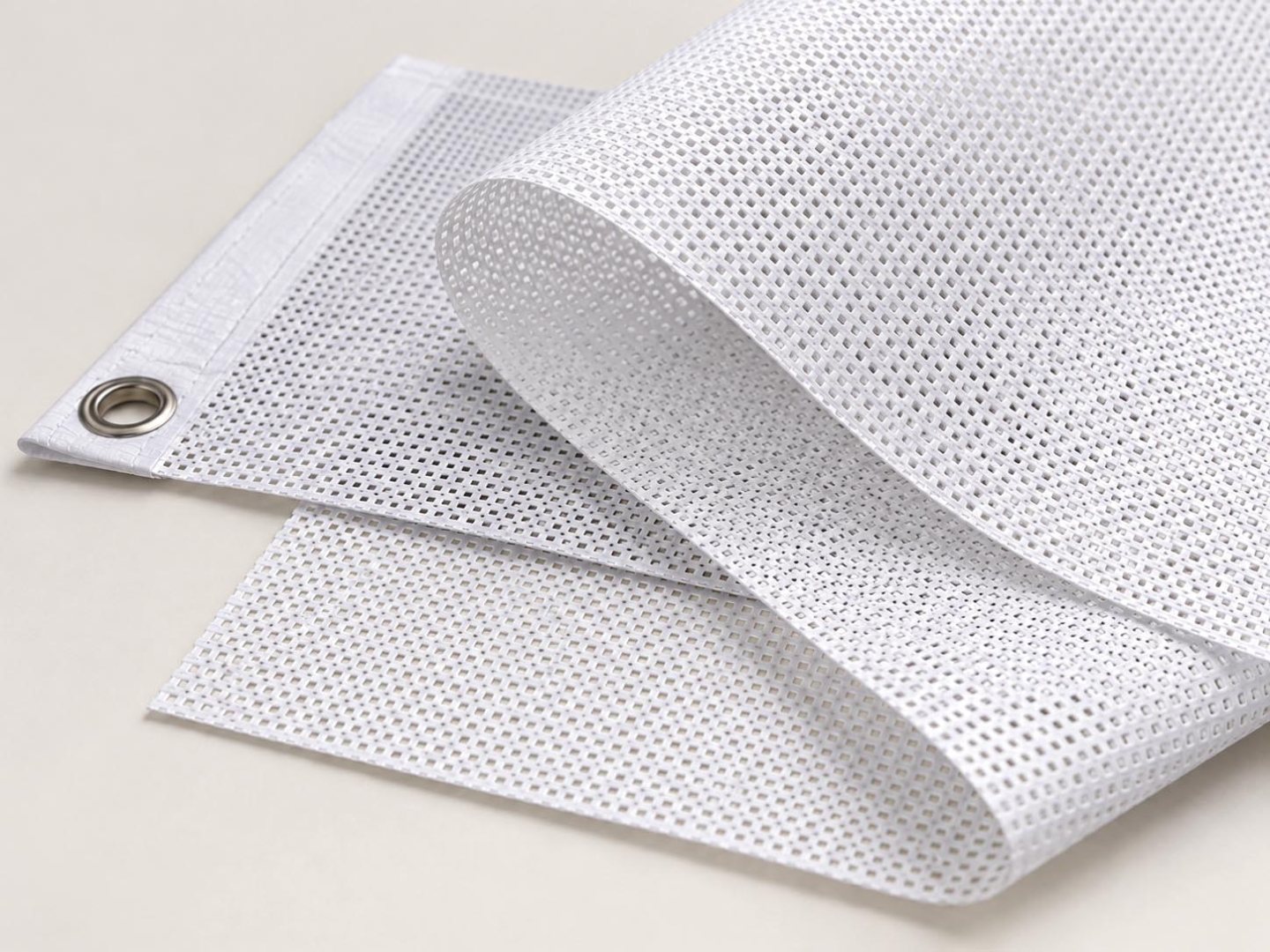
A perforated flexible print material that can help manage wind load in suitable exposed positions.
Typical applications: Construction boundaries, large outdoor banners and temporary screening.

Coated, uncoated and specialist printable media support different finishes, handling needs and intended lifespans.
Typical applications: Posters, flyers, leaflets, presentation graphics and campaign print.

Lightweight and rigid display boards are available in formats suited to temporary presentations and information.
Typical applications: Exhibitions, open days, events, interpretation and presentation boards.
Many of the signs, graphics, displays and printed products we produce are completely bespoke. Tell us what the finished piece needs to achieve, where it will be used and any budget or timescale constraints. We’ll help you choose the right format, material, finish and installation method — even when the answer is not listed above.
Send us a photograph, sketch or dimensions, or simply describe the problem you are trying to solve.