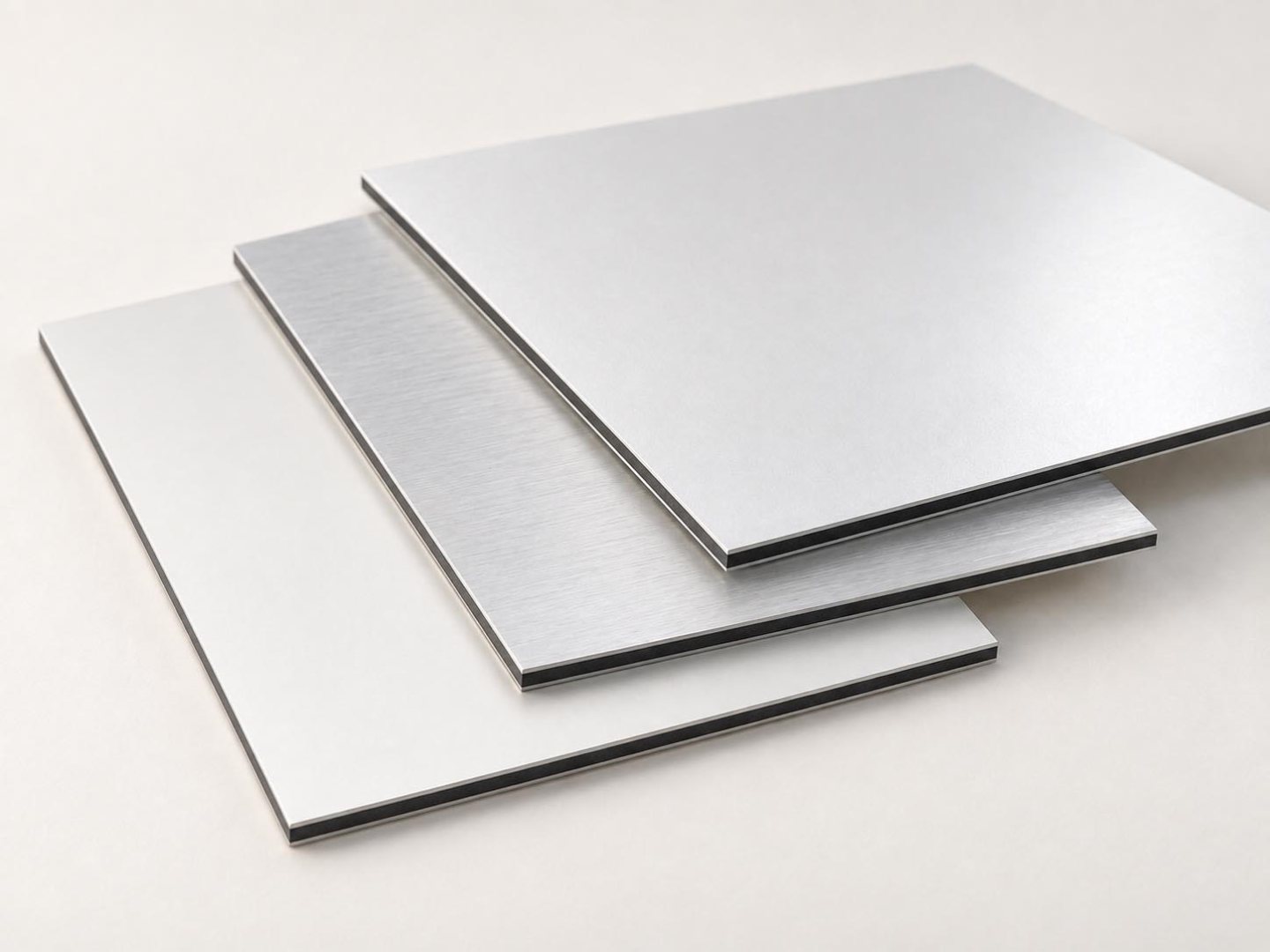
ACM / aluminium composite material
A rigid, stable panel commonly used for flat signs and trays. Different grades and finishes are available; suitability depends on the construction and environment.
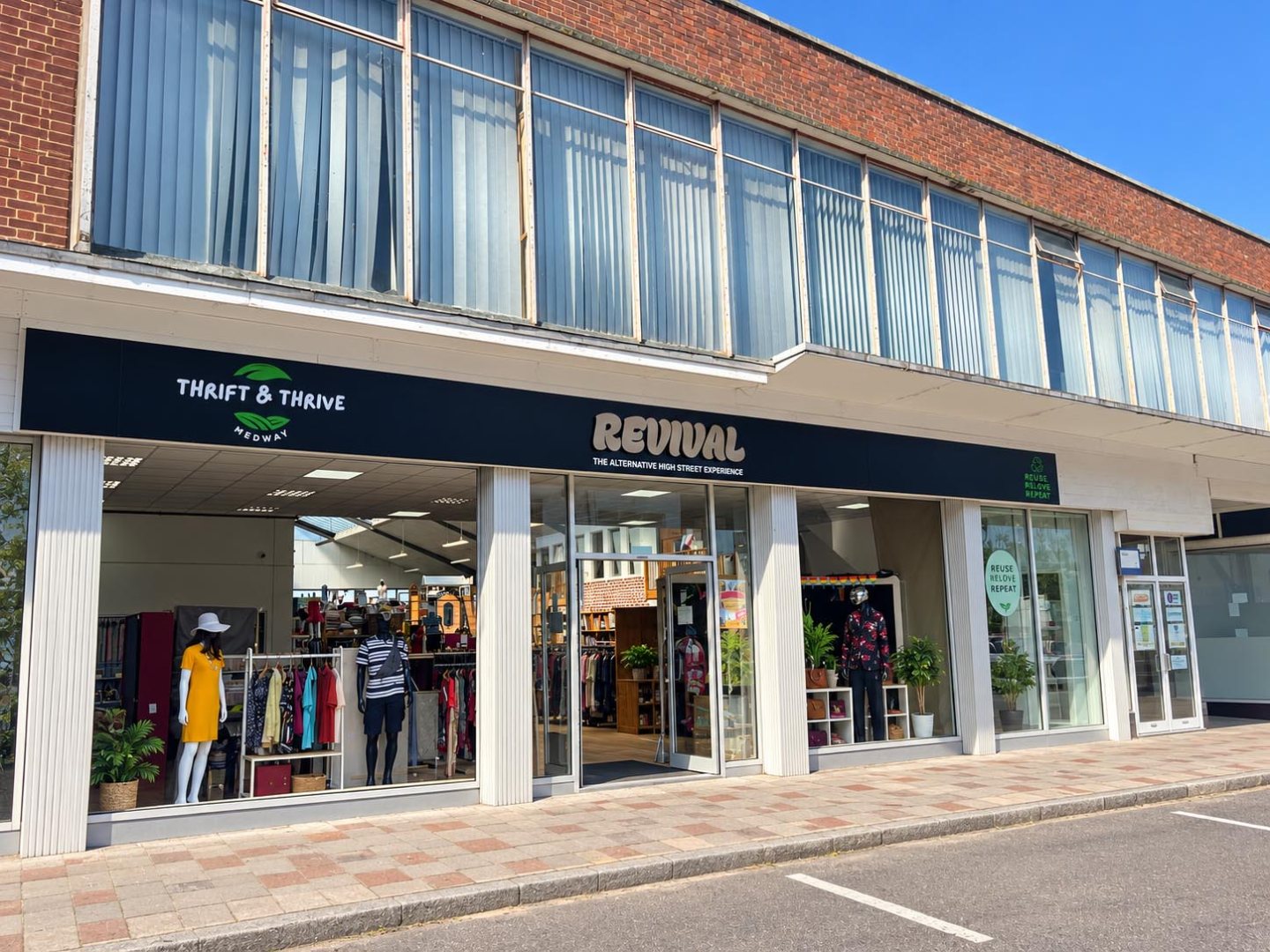
Purple Frog Signs creates exterior business signs including fascia panels, fabricated sign trays, flat-cut lettering, built-up letters, projecting signs, window graphics and coordinated entrance details. We balance brand impact with the proportions, materials, neighbours and viewing conditions of the building. We also consider the fixing surface, access, existing wiring and any landlord, planning or conservation permissions the client must confirm.
Available for projects across Kent, London, Surrey, Sussex, Essex and the wider South East.
Sign types
Building-mounted identification planned around the available frontage, sightlines, architectural details and safe fixing access.
Double-sided panels or trays mounted at right angles to a building for visibility along a pavement or pedestrian route.
Individual dimensional, flat-profile or illuminated letters specified for the wall, fascia, viewing distance, finish and mounting method.
Folded trays and flat wall-mounted panels that can carry printed graphics, applied lettering or layered brand elements.
Aluminium and fabricated-metal signs selected for the required depth, finish, exposure, lifespan and fixing detail.
Fascias, trays or letters with controlled illumination, planned alongside access, electrical responsibilities and maintenance. A lightbox is an enclosed illuminated sign with a translucent face. Its specification takes account of viewing conditions, fixing position, electrical provision and maintenance access.
Good shopfront signage should be distinctive without feeling detached from its setting. We assess the available fascia, architectural lines, sightlines, neighbouring visual noise, illumination, fixing surface and the amount of information people can realistically read as they pass.
Keep the principal name and purpose clear. Telephone numbers, web addresses and long service lists can be useful in some contexts but should not overwhelm the primary identity. Letter depth, shadows, gloss, satin or matt finishes and mounting method all affect the perceived quality.
Existing fascias should be assessed for size, condition, wiring, previous fixings and safe access. Where electrical work is involved, define the competent electrical contractor, isolation, certification and ongoing maintenance responsibilities explicitly.
The client must confirm landlord, freeholder, centre-management, conservation-area, listed-building, advertisement-consent and other applicable permissions unless Purple Frog Signs is separately appointed to assist. Installation planning may include pavement access, working hours, public segregation and removal of the old sign.
Send the site postcode, photographs, approximate dimensions, quantity, required wording, brand files, preferred timescale and whether you need design, removal, delivery or installation. It is fine if the material or construction is not yet decided.
Material guide
These visual guides show common material characteristics rather than completed Purple Frog Signs projects. The final specification still depends on location, construction, lifespan, finish and fixing method.
A rigid, stable panel commonly used for flat signs and trays. Different grades and finishes are available; suitability depends on the construction and environment.

A polished plastic sheet used for premium-looking panels, plaques, lettering and layered signs. It can be printed, cut, backed or mounted with stand-off fixings.
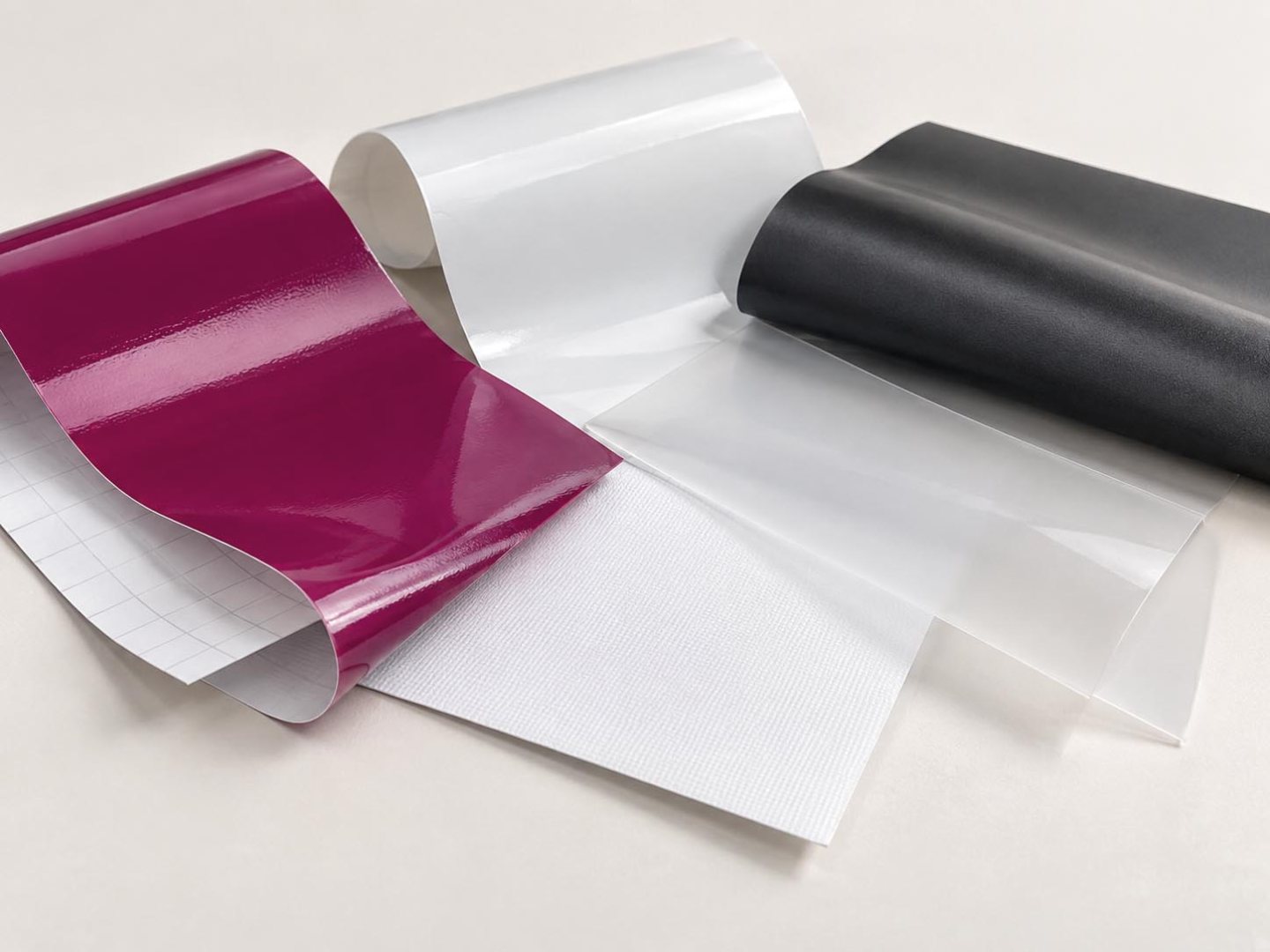
A broad family of materials used for lettering, windows, walls, panels and vehicles. Adhesive, conformability, opacity, finish and removability vary significantly.
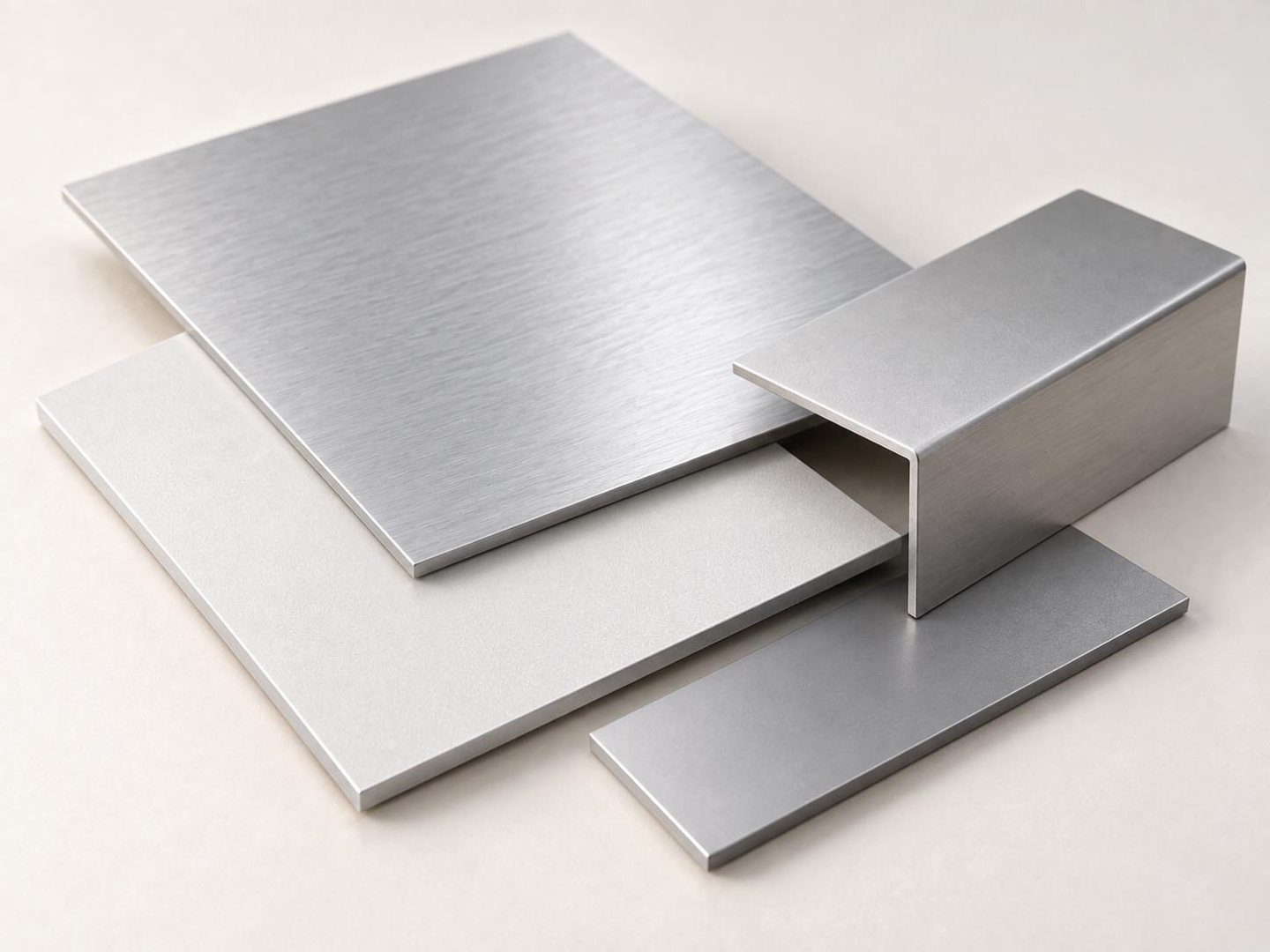
Used for durable sign trays, posts, frames and lettering. Fabrication, coating and fixing details influence the finished appearance and performance.
Clear answers to the practical details that can affect a project.
Read all frequently asked questionsPotentially. We first need to assess the tray’s dimensions, finish, damage, fixings and whether old graphics can be removed cleanly. Refacing can be economical when the underlying structure remains suitable.
Flat-cut letters are cut from sheet material and have a relatively slim profile. Built-up letters are fabricated to create depth and can produce a stronger three-dimensional effect. Suitability depends on size, detail, finish, fixing and budget.
Suitable illuminated signs can be designed and coordinated, with electrical scope, access, permissions and certification agreed at quotation stage. Illumination should be purposeful and appropriately controlled for the setting.
Yes. Window graphics, opening information, frosting and promotional elements can form one coordinated storefront rather than a collection of unrelated additions.
Transform your showroom with retail signage and 3D lettering signs. Discover Foamex advertising boards and printed promotion solutions today.
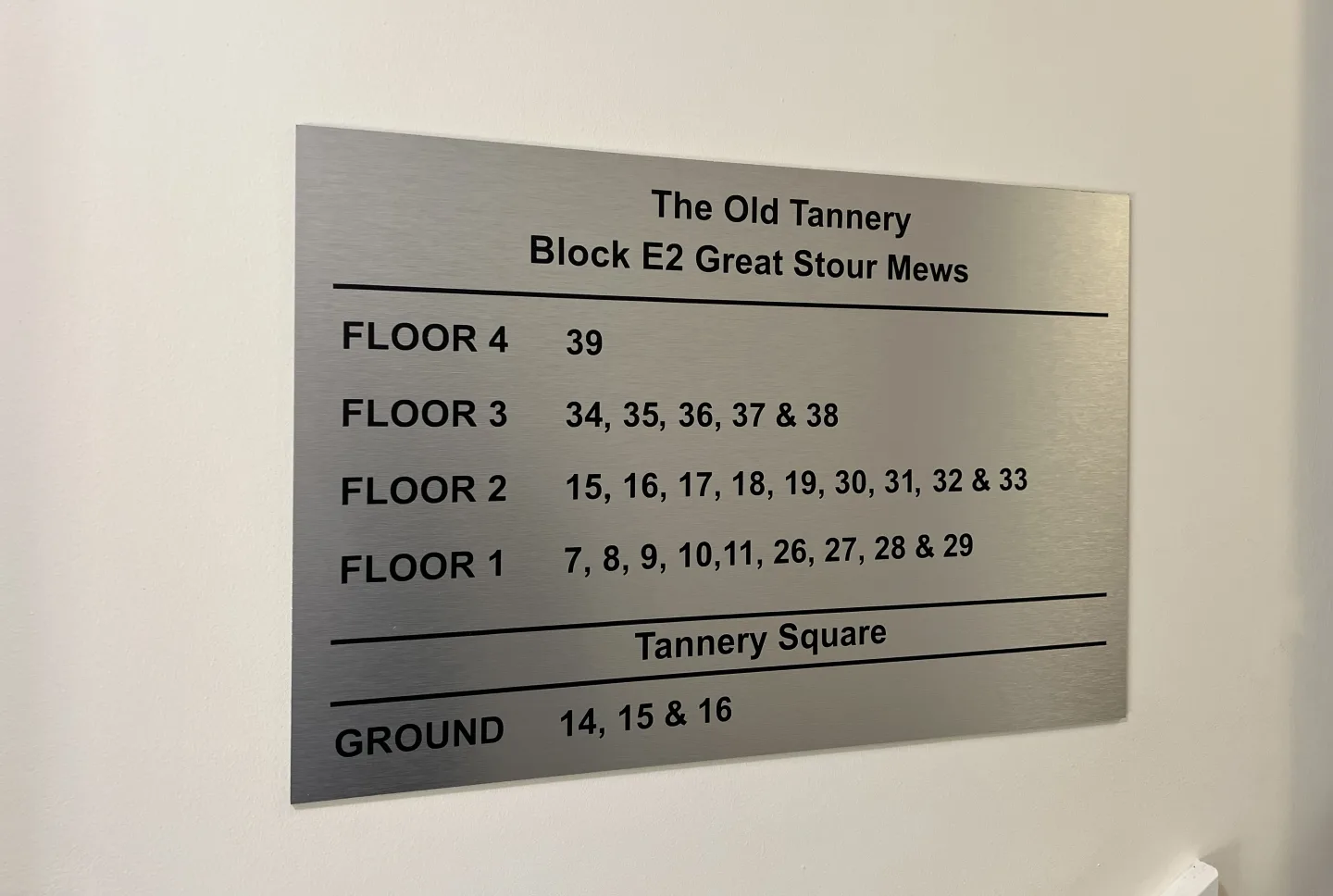
Read the full storyPremium ACM signage with a brushed stainless steel finish and precision vinyl lettering. Ideal for offices, directories & modern commercial spaces.
Read the full story