ACM / aluminium composite material
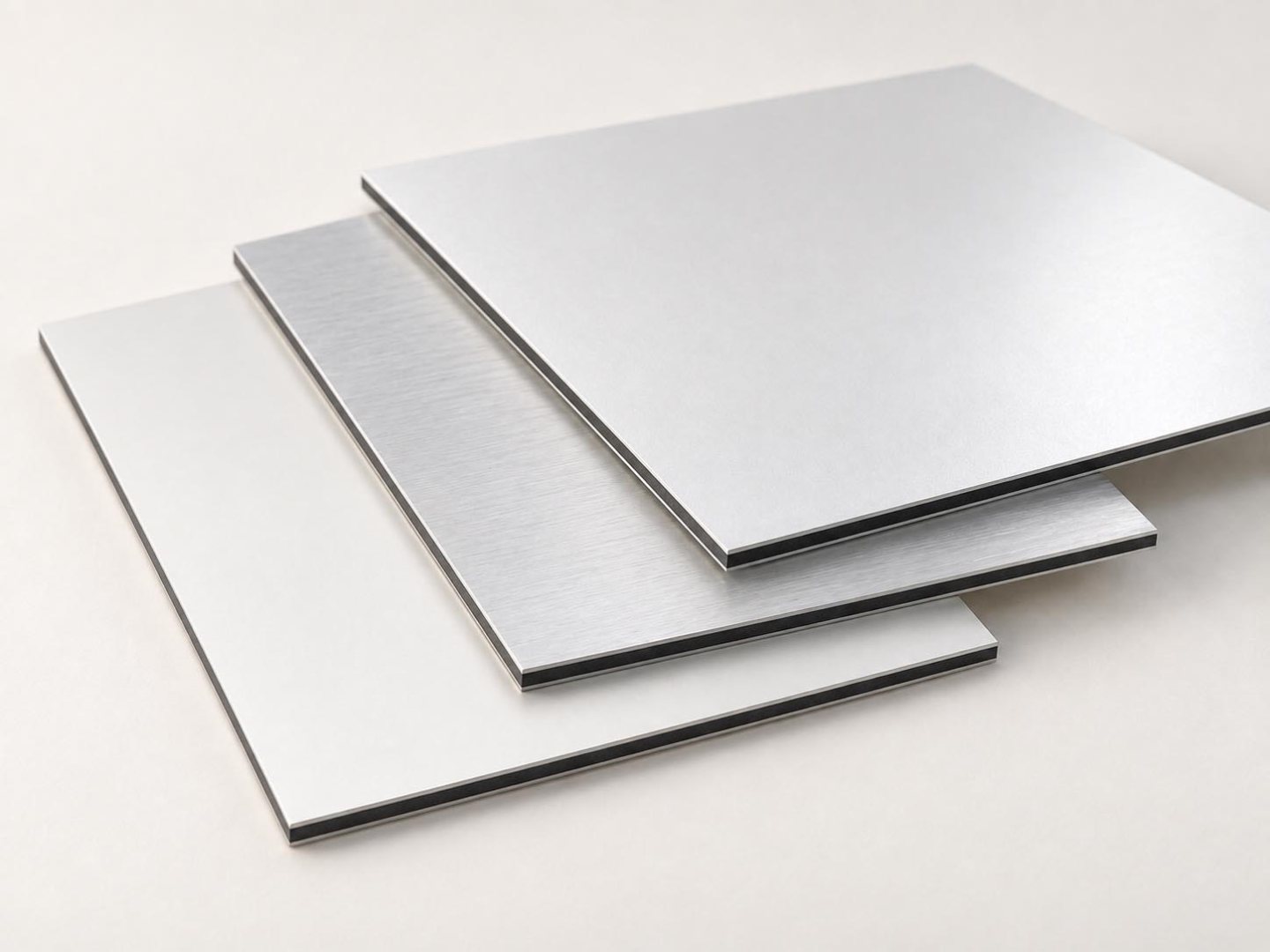
A rigid, stable panel commonly used for flat signs and trays. Different grades and finishes are available; suitability depends on the construction and environment.
Purple Frog Signs designs, manufactures and installs wayfinding systems for indoor and outdoor environments. We combine clear naming, logical information hierarchy, legible layouts and practical sign placement so visitors can make the next decision without unnecessary confusion. A coordinated scheme can cover arrival, directories, building identification, routes, rooms and facilities, with consistent names, arrows, colours, typography and symbols.
Available for projects across Kent, London, Surrey, Sussex, Essex and the wider South East.

Sign types
External arrival and decision-point signs that help visitors identify the site and choose the next route confidently.
Coordinated directories, maps and directional markers organised around clear naming, hierarchy, legibility and placement.
Effective wayfinding begins before the sign artwork. It considers arrival routes, decision points, destination names, user groups, accessible paths, repeat journeys and the point at which reassurance is needed. A beautiful sign in the wrong place is still poor wayfinding.
We can support a single directional sign, update an existing family or help develop a coordinated scheme covering arrival, directories, building identification, routes, rooms and facilities.
Naming: Use destination language that users recognise, and keep it consistent across maps, signs and communications.
Hierarchy: Show only the information needed at that decision point. Too many destinations can make a sign harder to use.
Legibility: Consider viewing distance, letter size, contrast, lighting, obstructions and the speed at which information is encountered.
Consistency: Maintain predictable arrows, colours, typography, symbols and destination order throughout the journey.
Accessibility: Consider clear language, contrast, mounting, tactile or alternative information requirements and the needs of people with different physical, sensory or cognitive experiences.
Send the site postcode, photographs, approximate dimensions, quantity, required wording, brand files, preferred timescale and whether you need design, removal, delivery or installation. It is fine if the material or construction is not yet decided.
Material guide
These visual guides show common material characteristics rather than completed Purple Frog Signs projects. The final specification still depends on location, construction, lifespan, finish and fixing method.
A rigid, stable panel commonly used for flat signs and trays. Different grades and finishes are available; suitability depends on the construction and environment.

A polished plastic sheet used for premium-looking panels, plaques, lettering and layered signs. It can be printed, cut, backed or mounted with stand-off fixings.
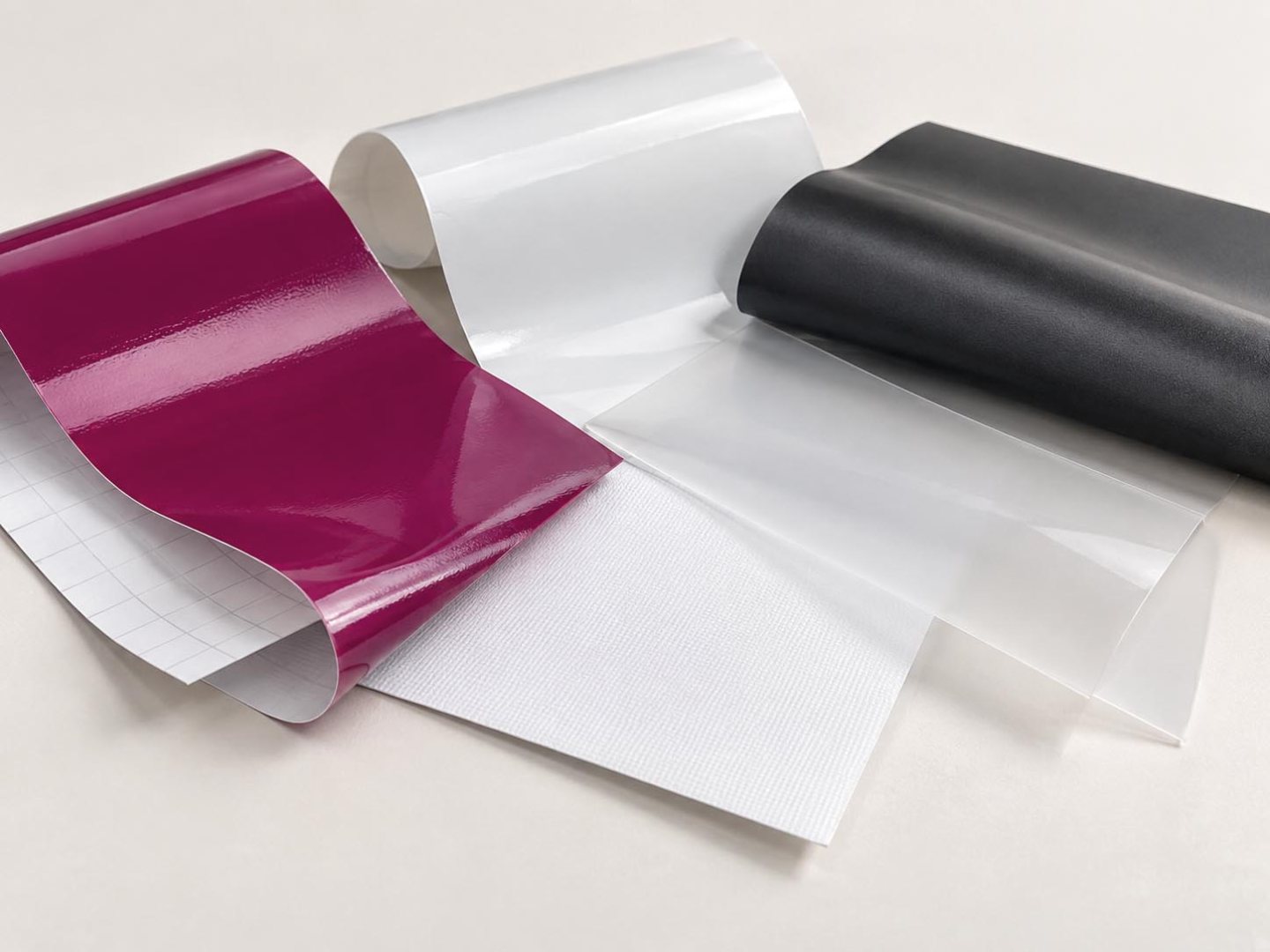
A broad family of materials used for lettering, windows, walls, panels and vehicles. Adhesive, conformability, opacity, finish and removability vary significantly.
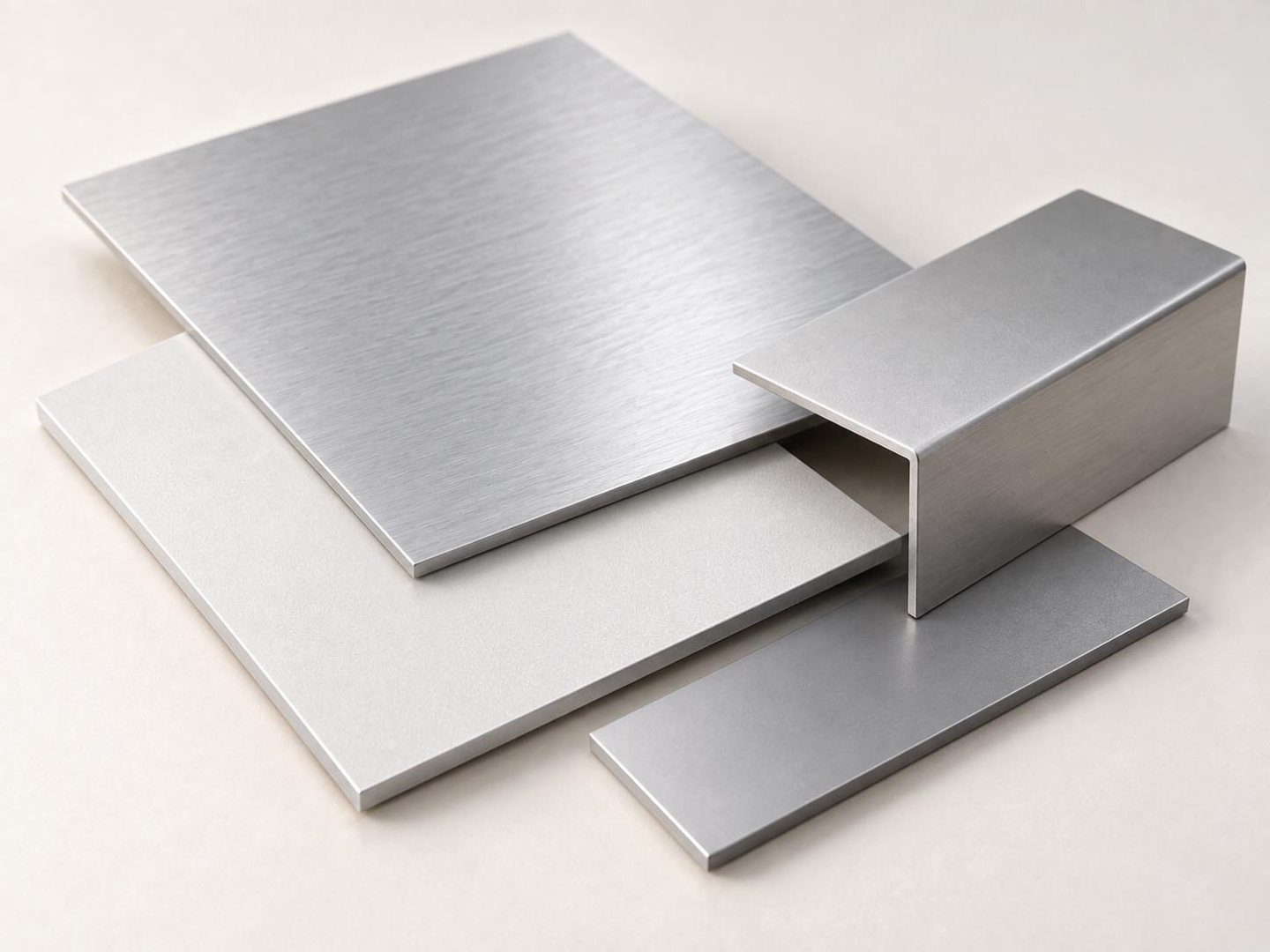
Used for durable sign trays, posts, frames and lettering. Fabrication, coating and fixing details influence the finished appearance and performance.
Clear answers to the practical details that can affect a project.
Read all frequently asked questionsYes. We can assess which parts remain useful, identify inconsistent or missing information and develop additions that are visually compatible or form the first phase of a planned update.
Yes. Changeable strips, inserts, directories or modular sign systems can be considered where information is likely to change. The best method depends on frequency, location and desired appearance.
We can create simplified site maps and orientation graphics where the source information is accurate and the mapping scope is agreed. Complex accessibility, transport or emergency mapping may require specialist input.
We can recommend locations based on site review and user journeys, but the final schedule should be approved by the client and relevant stakeholders who understand operational, safety and accessibility requirements.
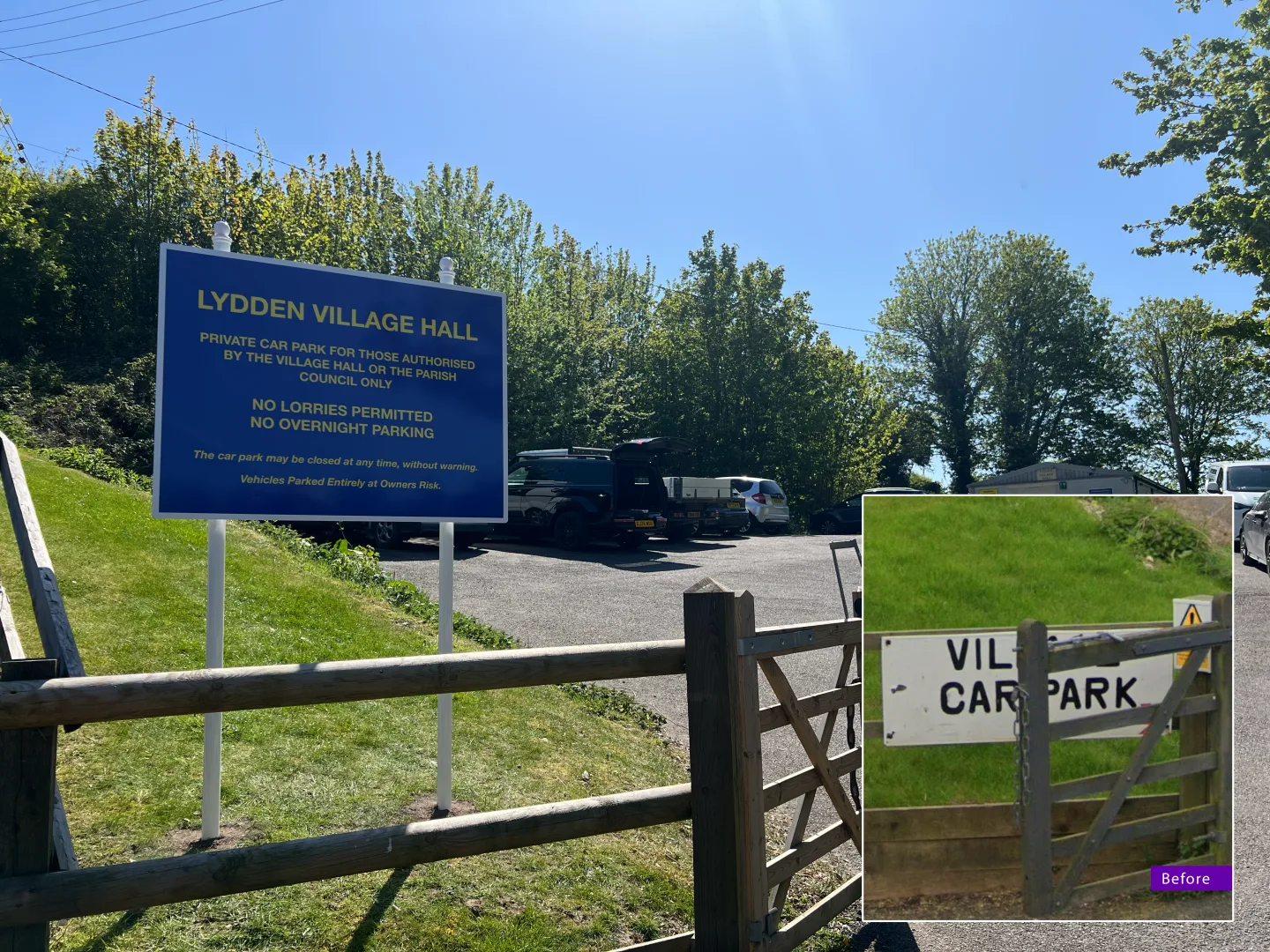
Before and after signage case study for Lydden Village Hall in Kent, including a new post and panel sign, car park, AED and CCTV warning signage.
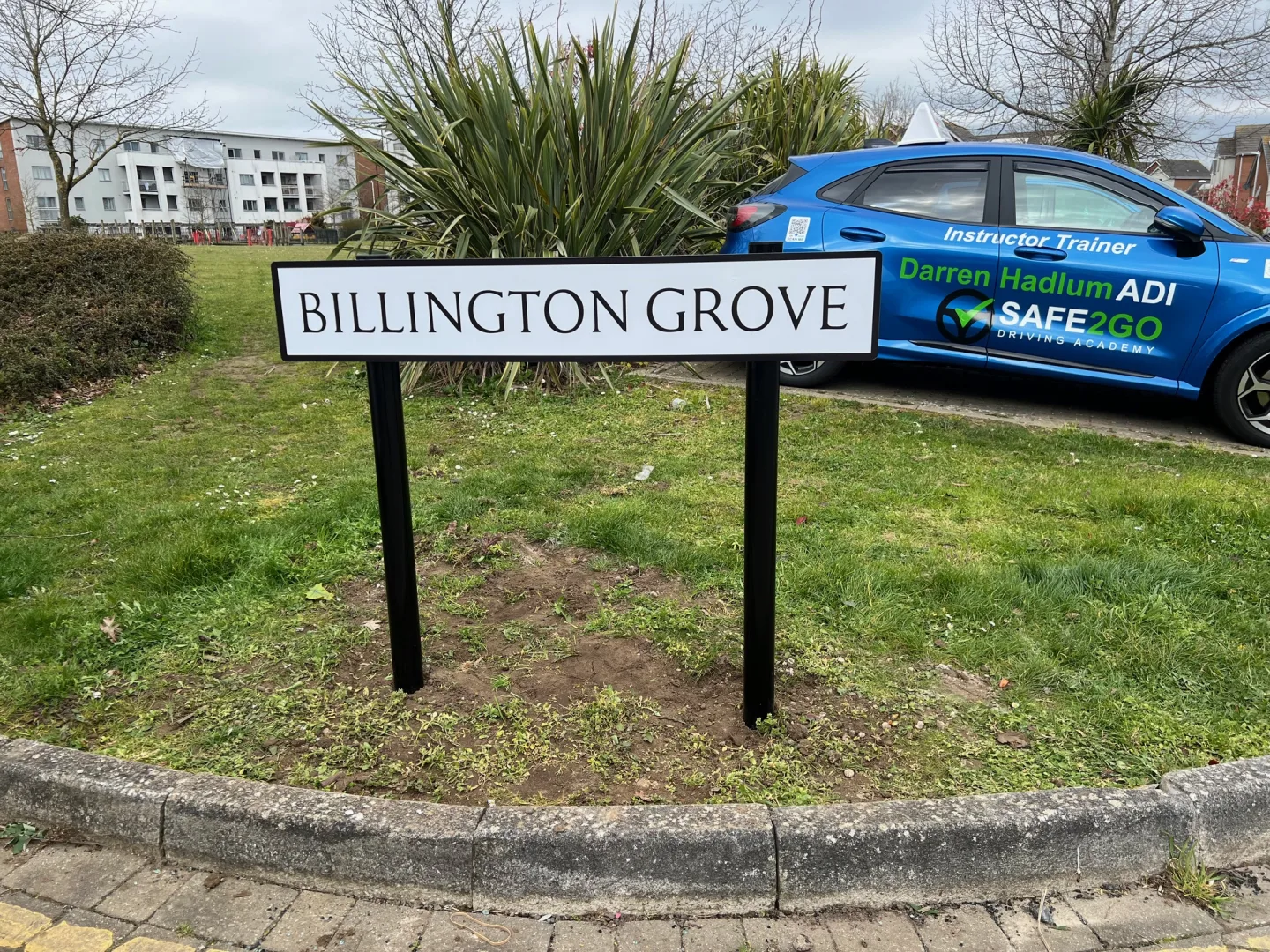
Read the full storyPurple Frog Signs replaced a damaged Billington Grove road sign, including artwork recreation, manufacture, new posts and secure installation.
Read the full story