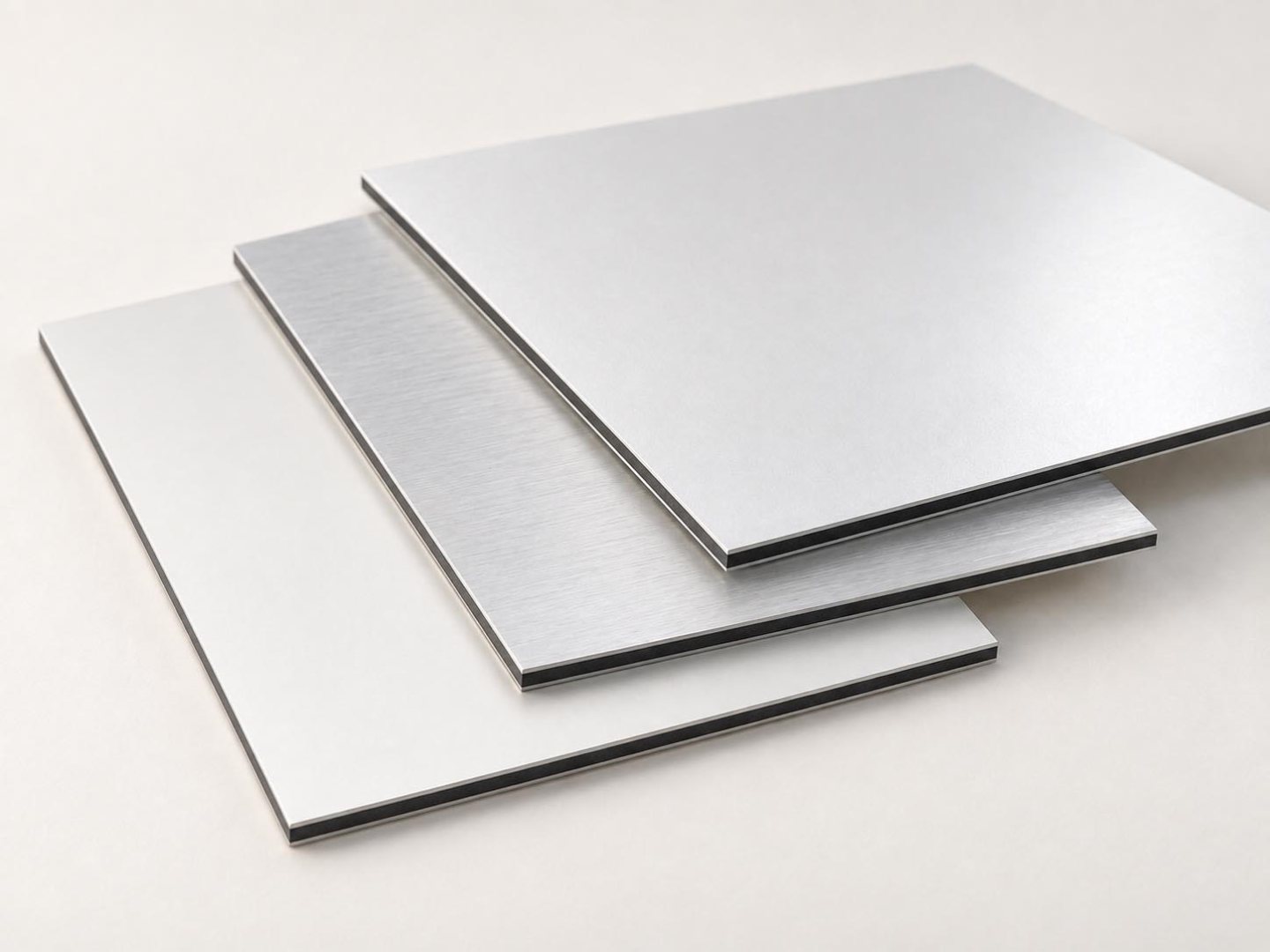
ACM / aluminium composite material
A rigid, stable panel commonly used for flat signs and trays. Different grades and finishes are available; suitability depends on the construction and environment.
Purple Frog Signs supplies post-and-panel signs, monoliths and totems for business entrances, schools, community sites, car parks, estates and visitor destinations. We help select the format, scale, materials and fixing method to suit the information, brand, sightline and physical site. Site surveys can also identify ground, access, service, foundation and permission questions before installation is planned.
Available for projects across Kent, London, Surrey, Sussex, Essex and the wider South East.
Sign types
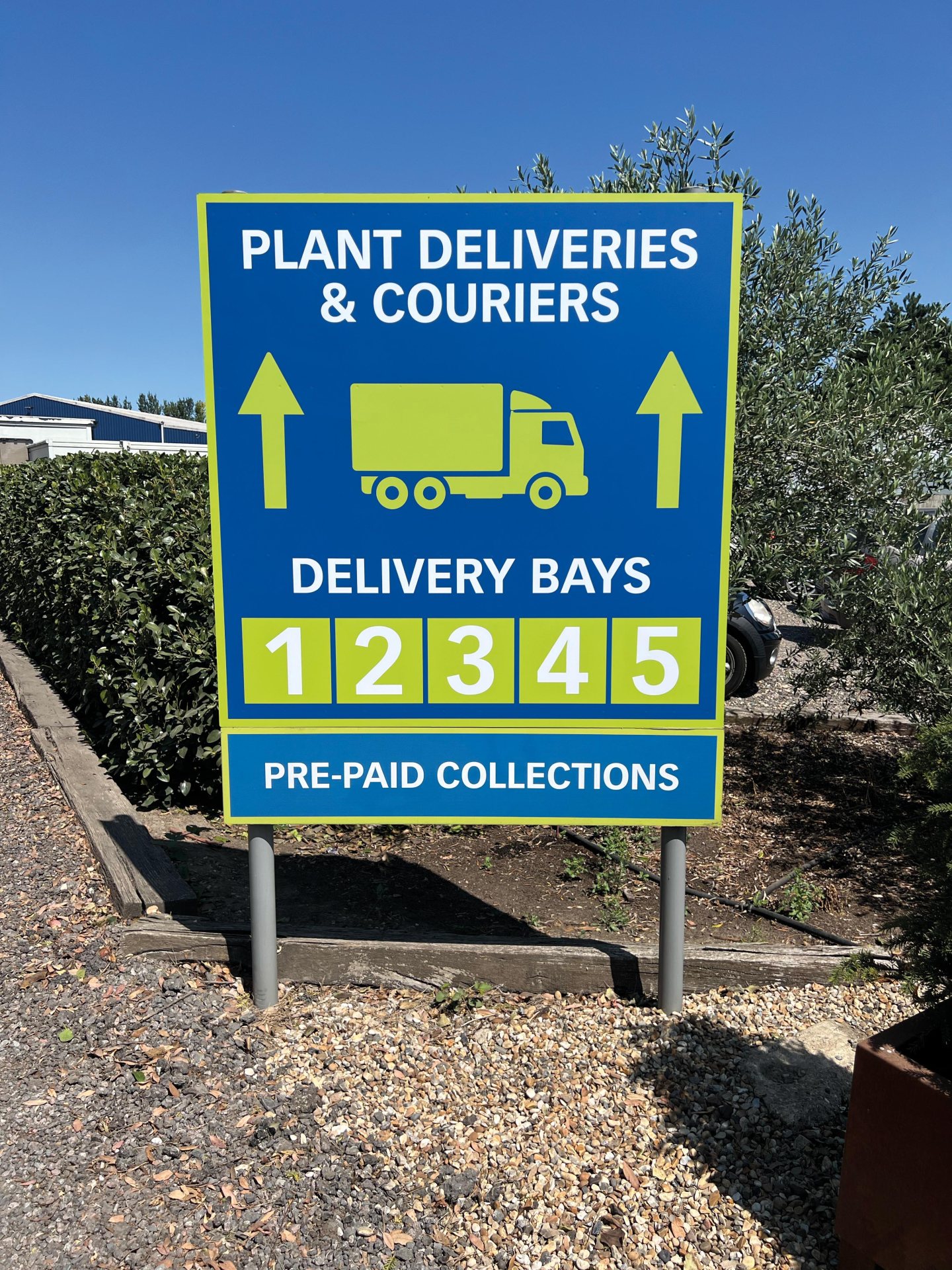
Flat or tray-style panels supported by posts for entrances, boundaries, directories and directional information.
Substantial freestanding structures used for site identity, directions or tenant listings where visibility and presence matter.
Post-and-panel signs use one or more posts to support a flat or tray-style panel. They are versatile for entrances, directions, directories and replaceable information.
Monolith signs are freestanding, usually wider structures with a substantial visual presence. They can integrate panels, trays, lettering and, where appropriate, illumination.
Totem signs are generally tall, narrow freestanding signs used for visibility, tenant listings, site identity or direction. Terminology varies in the industry, so specification should rely on drawings and construction rather than the name alone.
Consider the viewing approach, traffic speed, landscaping, underground services, wind exposure, ground conditions, panel changeability, anti-vandal needs and maintenance access. A sign may also require landowner, landlord, planning or highway-related permission. Purple Frog Signs can identify questions, but the client remains responsible for obtaining permissions unless a separate service is expressly agreed.
Depending on the brief, options can include aluminium or steel posts, fabricated trays, ACM panels, powder-coated components, applied vinyl, printed and laminated graphics, flat-cut lettering, layered acrylic elements and modular tenant panels. Illumination is assessed separately with appropriate electrical responsibilities defined.
Freestanding signs often need a site survey and a considered foundation or fixing solution. The quotation must state assumptions concerning excavation, services information, ground type, spoil, concrete, reinstatement, access equipment, traffic management and removal of existing signs.
Send the site postcode, photographs, approximate dimensions, quantity, required wording, brand files, preferred timescale and whether you need design, removal, delivery or installation. It is fine if the material or construction is not yet decided.
Material guide
These visual guides show common material characteristics rather than completed Purple Frog Signs projects. The final specification still depends on location, construction, lifespan, finish and fixing method.
A rigid, stable panel commonly used for flat signs and trays. Different grades and finishes are available; suitability depends on the construction and environment.

A polished plastic sheet used for premium-looking panels, plaques, lettering and layered signs. It can be printed, cut, backed or mounted with stand-off fixings.
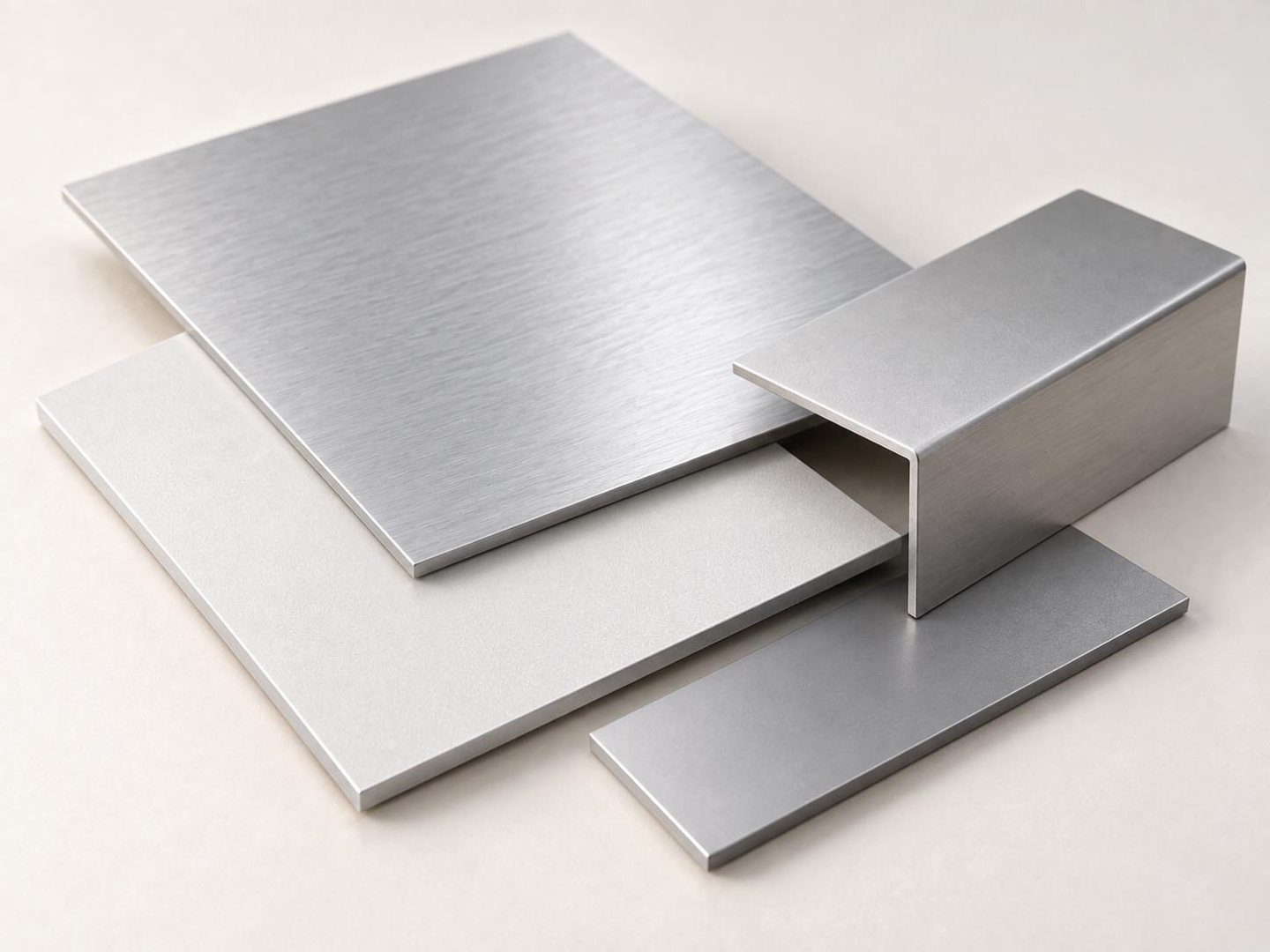
Used for durable sign trays, posts, frames and lettering. Fabrication, coating and fixing details influence the finished appearance and performance.
Clear answers to the practical details that can affect a project.
Read all frequently asked questionsSome signs may require advertisement consent, planning permission, landlord approval or other authorisation depending on size, illumination, location and context. Seek project-specific confirmation from the relevant authority or adviser before manufacture.
Often, if the posts and frame are sound and the new panel is compatible. Existing dimensions, fixings, condition and wind loading should be checked before reuse is promised.
Yes, using appropriate print references, vinyl ranges or coating specifications. Exact colour appearance varies by material, finish, lighting and production method, so critical matches may require physical samples.
Yes. A modular layout can allow individual listings to change, but the available area, letter size and viewing conditions must be balanced against the number of tenants.
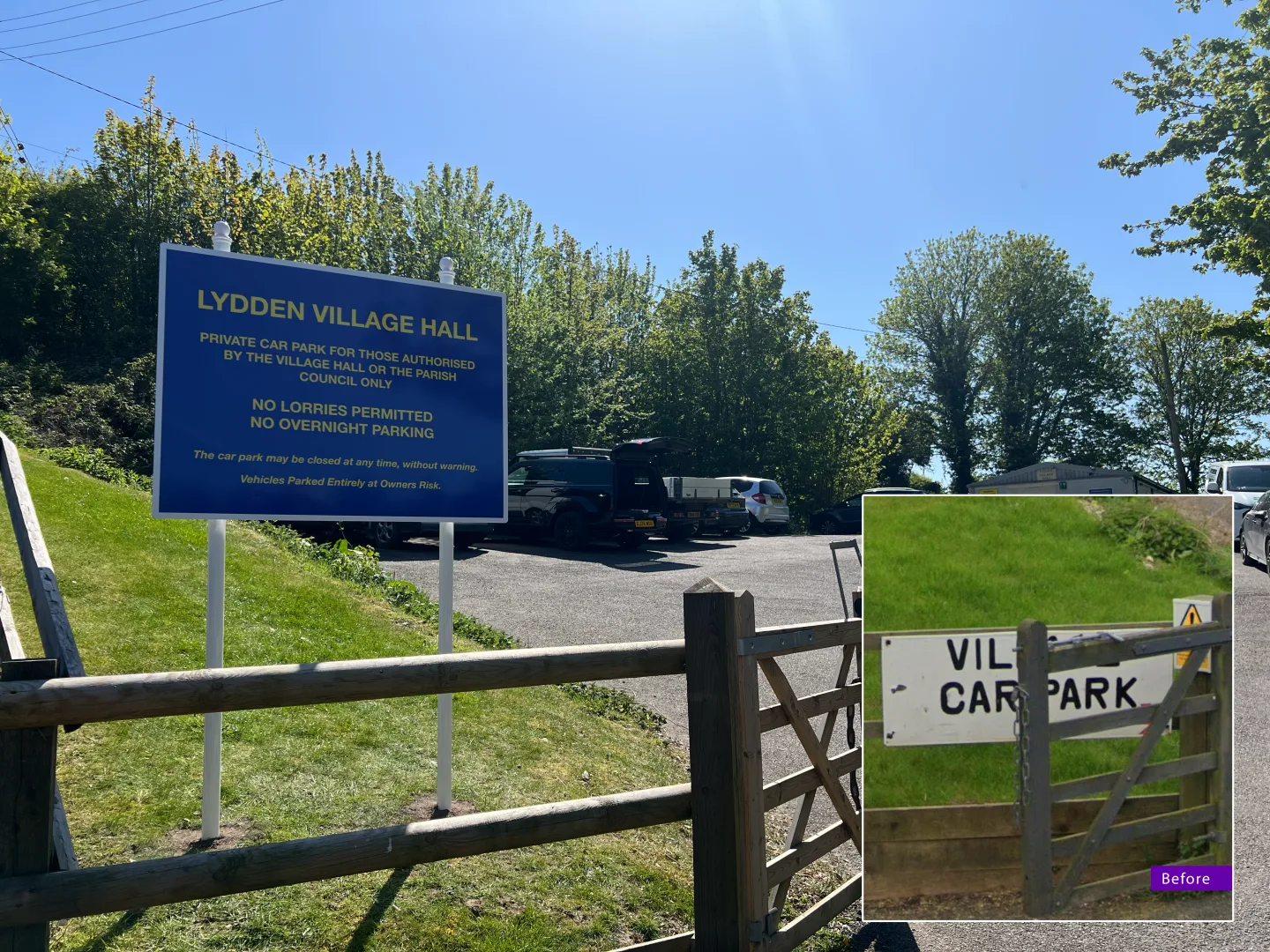
Before and after signage case study for Lydden Village Hall in Kent, including a new post and panel sign, car park, AED and CCTV warning signage.
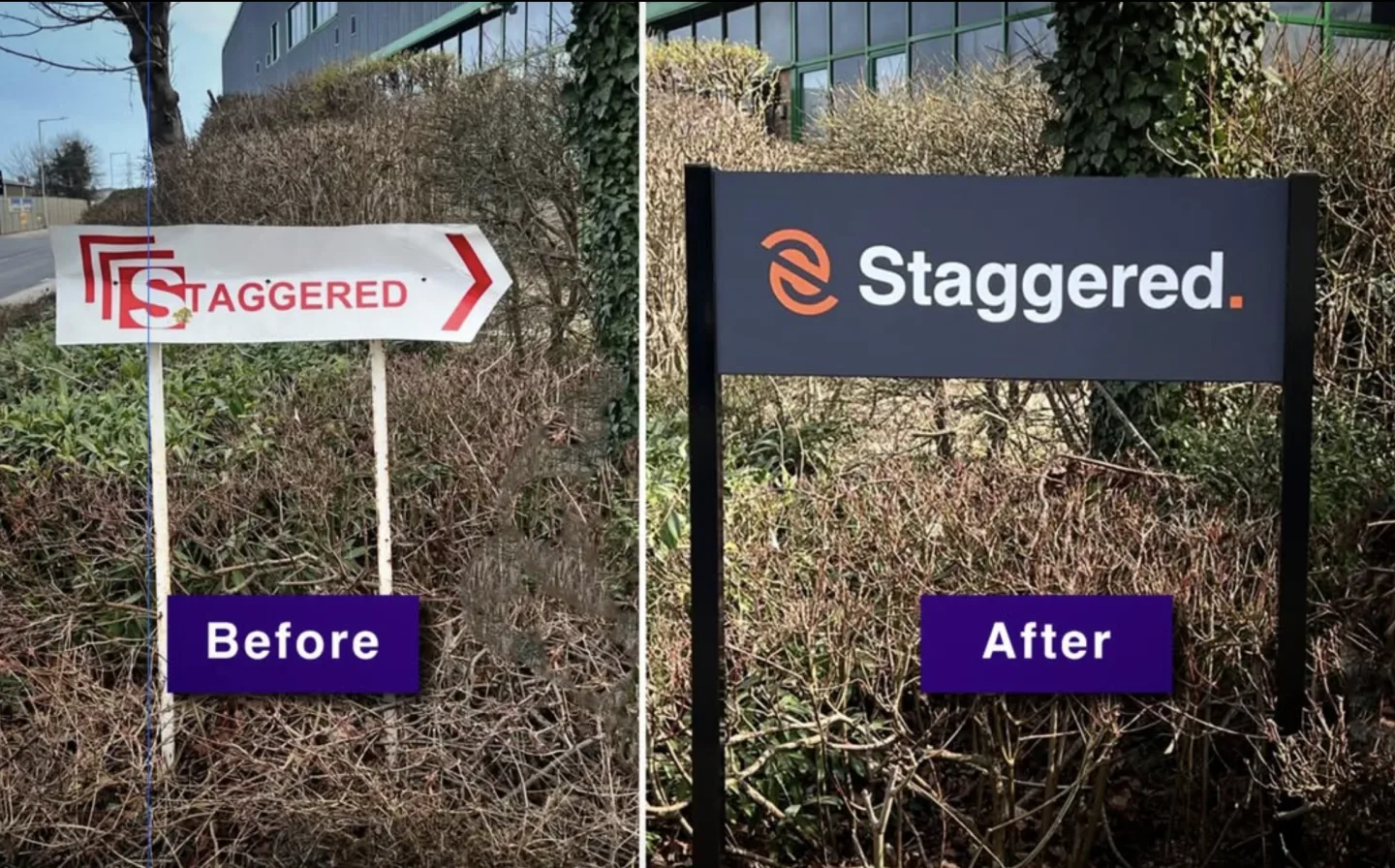
Read the full storyPurple Frog Signs designed, manufactured and installed a new Staggered post and panel sign, improving roadside visibility and brand consistency.
Read the full story